%2Ffit-in%2F250x250%2Fguide_websites%2F18507%2Fimages%2F17248114105445f8bd355-0124-4e4e-a667-f30fd61f95fa-removebg-preview.png&w=1920&q=100)
/users/2f508d2a-49f0-416d-903b-b0298d49959c/ratecard/aqchvfa4ao8gc7zr0onlqarkglwygew3tnurx_9bnsgcjszu0qa8dyxmuqkk3tff6d92i7fvw8zmvpy-idclga8svptxf47e4efvftl9f5vkjnubjq6e43iiyjvgnhjfrwjgt7jhtu3oqn5xio6rgnazkcdwwmmkk5ss300-mndlxa65.jpg)
%2F300x300%2Fusers%2F2f508d2a-49f0-416d-903b-b0298d49959c%2Fratecard%2Faqchvfa4ao8gc7zr0onlqarkglwygew3tnurx_9bnsgcjszu0qa8dyxmuqkk3tff6d92i7fvw8zmvpy-idclga8svptxf47e4efvftl9f5vkjnubjq6e43iiyjvgnhjfrwjgt7jhtu3oqn5xio6rgnazkcdwwmmkk5ss300-mndlxa65.jpg&w=256&q=75)
%2F300x300%2Fusers%2F2f508d2a-49f0-416d-903b-b0298d49959c%2Fimages%2Fkiawah-island-sunset-cruise-deck-2216.png&w=256&q=75)
%2F300x300%2Fusers%2F2f508d2a-49f0-416d-903b-b0298d49959c%2Fimages%2Fkiawah-island-sunset-cruise-3544.png&w=256&q=75)
%2F300x300%2Fusers%2F2f508d2a-49f0-416d-903b-b0298d49959c%2Fimages%2Ffamily-cruise-kiawah-island-deck-2176.png&w=256&q=75)
%2F300x300%2Fusers%2F2f508d2a-49f0-416d-903b-b0298d49959c%2Fimages%2Fseabrook-island-marina-dock-2162.png&w=256&q=75)
%2F300x300%2Fusers%2F2f508d2a-49f0-416d-903b-b0298d49959c%2Fimages%2Fwahoo-fish-seabrook-island-fishing-3495.jpeg&w=256&q=75)
%2F300x300%2Fusers%2F2f508d2a-49f0-416d-903b-b0298d49959c%2Fimages%2Fbest-great-fishing-seabrook-island-3392.jpeg&w=256&q=75)
%2F300x300%2Fusers%2F2f508d2a-49f0-416d-903b-b0298d49959c%2Fimages%2Fbest-great-fishing-seabrook-island-3474.jpeg&w=256&q=75)
%2F300x300%2Fusers%2F2f508d2a-49f0-416d-903b-b0298d49959c%2Fimages%2Fseabrook-island-fishing-3498.jpeg&w=256&q=75)
%2F300x300%2Fusers%2F2f508d2a-49f0-416d-903b-b0298d49959c%2Fimages%2Fwahoo-fish-cruises-fishing-seabrook-3529.jpeg&w=256&q=75)
%2F300x300%2Fusers%2F2f508d2a-49f0-416d-903b-b0298d49959c%2Fimages%2Fincredible-tuna-bonito-seabrook-island-3627.jpeg&w=256&q=75)
Nearshore Inshore Fishing Kiawah Seabrook Island
 Charleston
What you will be catching:
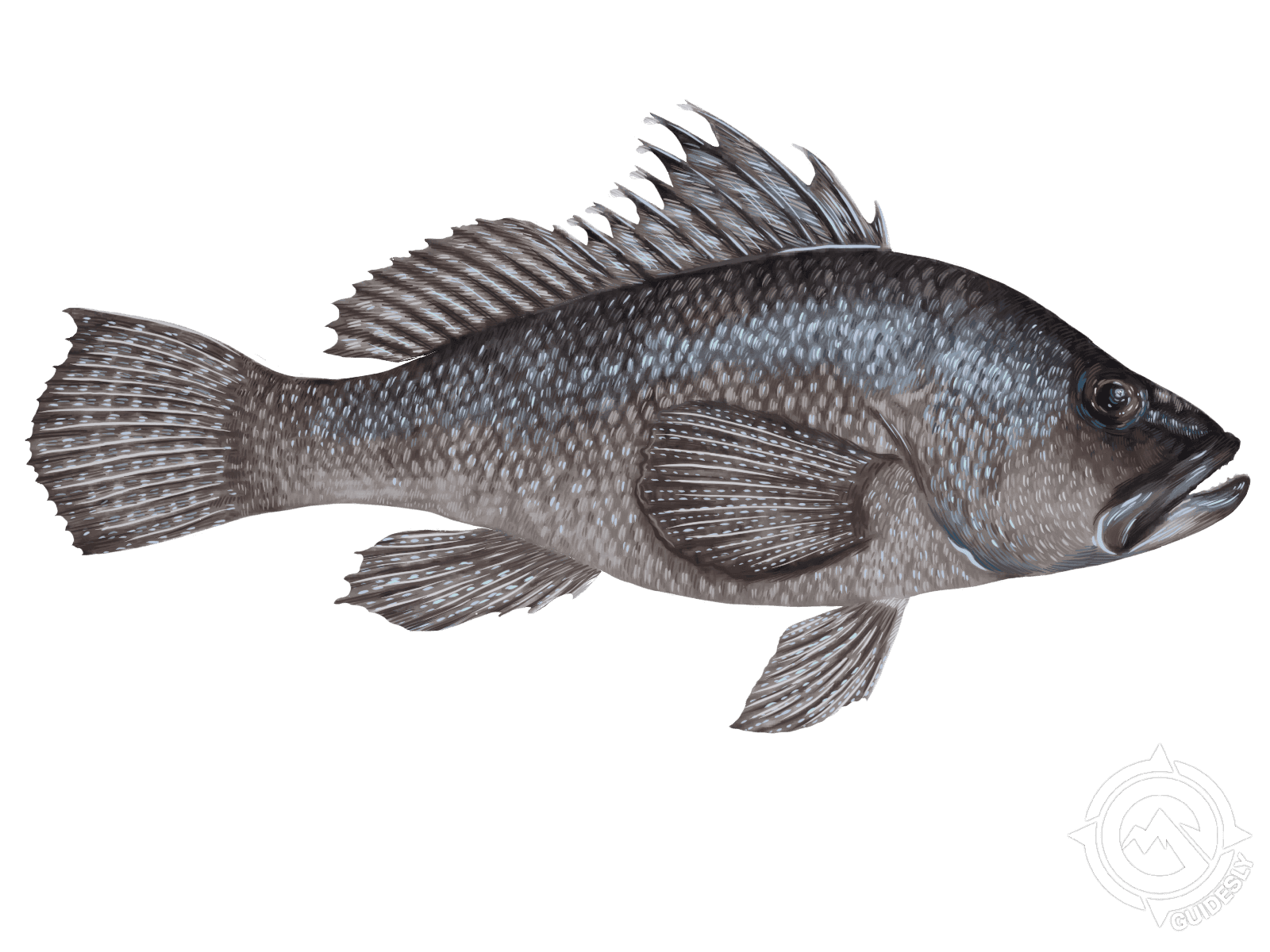
 Black Sea Bass
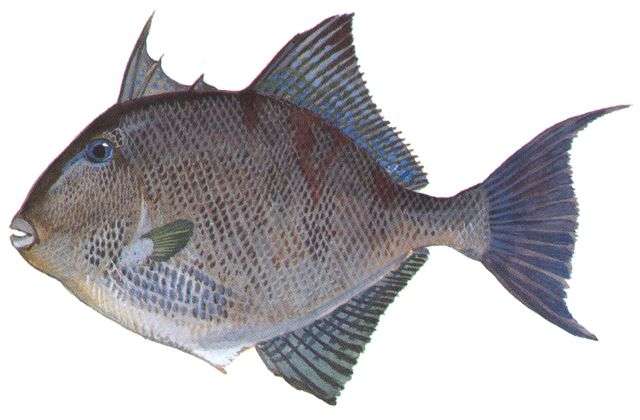
 Ocean Triggerfish
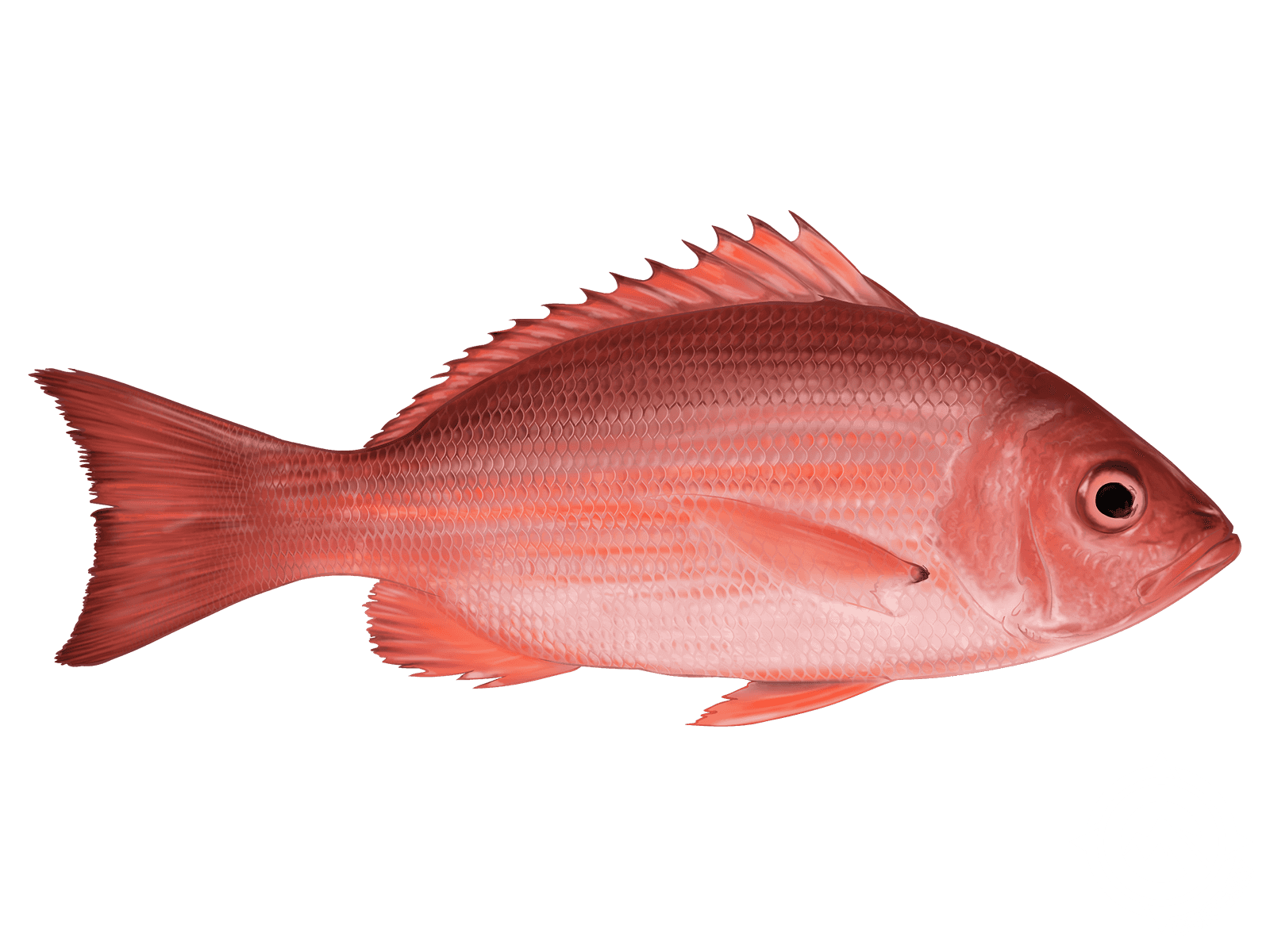
 Red Snapper
- 4-hour nearshore charter targeting black sea bass and snapper
- All tackle, bait, and expert instruction included for beginners
- $1,100 for up to 5 people with proven productive reefs
Trip Pricing and Availabilities:
Nearshore Fishing Charter (4 Hours)
Looking for consistent action without the long boat ride to blue water? This 4-hour nearshore charter off Kiawah and Seabrook Island puts you right where the fish live. We're talking about some of the most productive bottom structure in South Carolina waters, where red snapper, black sea bass, and triggerfish call home. At $1,100 for up to 5 anglers, you're getting serious bang for your buck with steady bites and cooler-filling potential. Perfect for families, groups of friends, or anyone who wants to experience world-class fishing without burning half the day getting there.
What to Expect on the Water
We launch from the Kiawah area and make a quick run to the nearshore reefs - usually 8 to 15 miles out. These aren't your typical inshore spots, but they're not the deep-water marathon either. Think of it as the sweet spot where structure meets current, creating perfect habitat for bottom dwellers. The boat stays positioned over proven ledges, artificial reefs, and natural hard bottom that consistently holds fish. You'll be bottom fishing with conventional tackle, dropping baits down to fish that are used to seeing offerings. The action tends to be steady rather than explosive - exactly what you want when you're trying to put together a good box of fish. Between the shorter run time and productive fishing, this trip maximizes your time with lines in the water.
Tackle and Techniques
We're fishing conventional bottom rigs with circle hooks - nothing fancy, just proven setups that work. The captain provides all tackle, bait, and terminal gear, so you can leave the guesswork at home. We're typically using 4 to 6-ounce sinkers to get down through the current, paired with fresh squid, cut bait, or whatever's working that day. The technique is straightforward: drop to the bottom, reel up a turn or two, and stay ready. These fish don't mess around when they bite. The nearshore reefs here range from 30 to 60 feet deep, with plenty of structure to hold fish but not so deep that you lose the fight. It's technical enough to be interesting but accessible for anglers of all experience levels. First-timers get plenty of coaching, while seasoned anglers can focus on reading the bottom and working the productive spots.
Top Catches This Season
Red snapper are the crown jewel of nearshore fishing around Kiawah and Seabrook. These brilliant red fish are ambush predators that hang around structure waiting for an easy meal. They typically run 2 to 8 pounds in these waters, with the occasional double-digit fish making someone's day. Red snapper season varies by federal regulations, but when they're open, they're customer favorites for their aggressive strikes and excellent table fare. They fight hard on the way up, making long runs and testing your drag. What makes them special here is the consistent numbers - when you find them, you usually find several.
Black sea bass are the workhorses of nearshore fishing, available most of the year and always ready to bite. These chunky bottom dwellers range from keeper size at 13 inches up to 3 or 4-pound bruisers. They're curious fish that respond well to fresh bait, and they're perfect for anglers who want steady action. Sea bass have personality - they'll often grab your bait and run straight toward the boat or try to wrap you around structure. The population here is healthy and sustainable, making them a go-to target species. They're also fantastic eating, with firm white meat that's hard to beat.
Ocean triggerfish, or "triggers" as most anglers call them, are the wild cards of the nearshore reefs. These colorful, diamond-shaped fish have serious attitude and jaws strong enough to crush shellfish. They typically run 1 to 3 pounds, but what they lack in size they make up for in fight. Triggers are notorious bait stealers with lightning-fast reflexes, making them challenging and fun to target. They're most active during warmer months and tend to school up around structure. When you hook one, expect acrobatic jumps and surprisingly strong runs. They're also excellent table fare with sweet, flaky meat that rivals any reef fish.
Time to Book Your Spot
This nearshore charter hits the sweet spot for productive fishing without the commitment of a full-day trip. You're getting access to some of the best bottom fishing grounds in South Carolina waters, experienced guidance, and all the gear you need for a successful day. The 4-hour format works perfectly for families with kids, groups mixing experienced and novice anglers, or anyone who wants to maximize fishing time while minimizing travel. With consistent action on quality fish and reasonable pricing for up to 5 people, it's no wonder this trip stays booked. Don't wait until you're already at the beach - these productive nearshore spots and experienced captains book up fast during peak season.
Learn more about the species
Black Sea Bass
## Black Sea Bass Fish Species (Centropristis Striata) ## Fish Description Black Sea Bass is a member of the Grouper family. They are plump-bodied with an extended pelvic and dorsal fin. The dorsal fin comes with a soft rayed rear section and a spiny forward section, marked with a sequence of white spots and bands. Their body color is gray to black, but the center of the scales is white. During the spawning season, males can turn bright blue in color and have a large hump on their heads. Juveniles are brown and have a dark stripe running down the body. ## Fish Size The Black Seabass can reach about 25 inches in length; weigh more than 8 pounds, although most of them caught is less than 4 pounds in weight. The Black Sea Bass world record catch is 10 lb 4 oz. and was caught in Virginia Beach, January 2000. ## Fun Facts About Black Sea Bass Up until recently, the furthest north the black bass was found was Massachusetts. Because of the warming climate, the bass has ventured up to the Gulf of Maine where the water temperatures have increased over the years. They are born as females then change to males. This generally happens when they reach 9 - 13 inches Social interaction can play a big role in this sex reversal. The removal of the big male from the Black Sea Bass population may cause one or more of the remaining bigger females to change sex and play the male role. The female Black Seabass normally matures at the age of 2 to 5 years and produces about 280,000 pelagic eggs. ## Fish Diet Adult and juvenile Black Sea Bass feed on a variety of invertebrates such as hermit crabs, rock crabs, squid, and razor clams. ## Distribution and Habitat 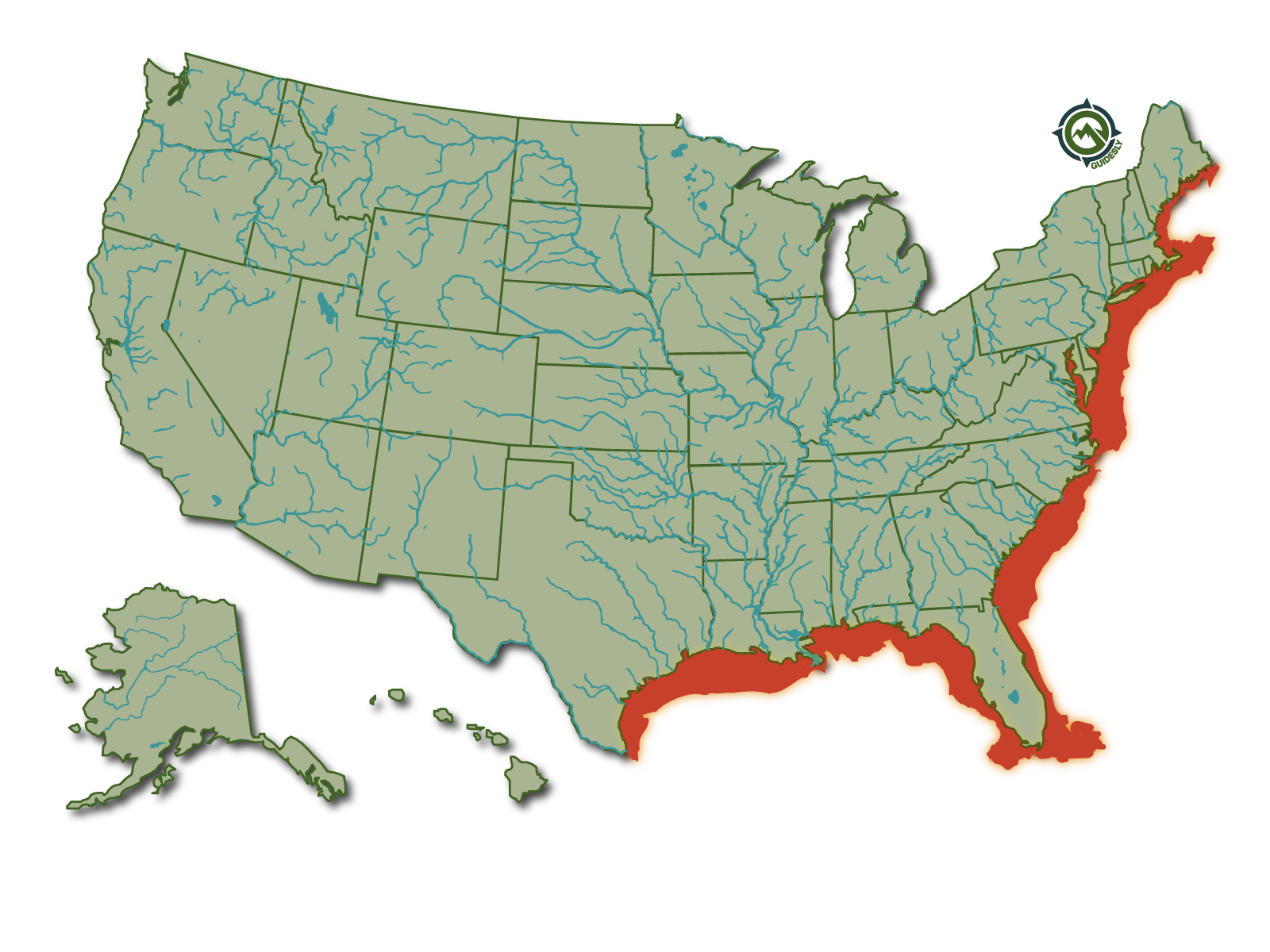 ## Fishing Method The best time to fish for Black Sea Bass is from late spring to summer when they congregate close to the shore. Underwater structures like jetties, piers, and wrecks, is where you will be likely to find them. The bigger males will be found in deeper water and a rocky bottom. The Black Seabass will put up a good fight until it breaks water. A medium-weight rod that's 6-8 feet long with a reel with a 20-30 pound fused, mono or braided line will be successful. They are mostly bottom feeders although they will occasionally strike at jigs, plugs, and lures including a 2 hook bait rig. Live bait such as squid or fish strips is a very good method. The Federal Recreational Black Sea Bass season is February 1 through 28, and May 15 through December 31. ## Habitat During the summer months, they will gather around sunken wrecks, rocky bottoms, old pilings, and wharves and are most abundant at depths of less than 120 feet. Juvenile seabass tend to prefer estuaries where they feed and avoid predators. During the winter months, they migrate to the more south Atlantic states and offshore. ## Distribution Black Seabass are found on the US eastern seaboard from the Gulf of Maine to the Florida Keys and then to the Gulf of Mexico.
Ocean Triggerfish
Ocean Triggerfish (Canthidermis sufflamen) Fish Description
Ocean triggerfish are light grey or brownish-gray in color and have dense, oblong bodies that elongate as they mature. Their heads are pointed with a rounded snout and small mouth with large teeth. These species of triggerfish are fully-scaled with firm, tough skin with a lateral line that is barely visible and may be confused with the gray triggerfish by an inexperienced angler.
They have a distinct dark spot at the base of their pectoral fins. Their long, soft dorsal and anal fins gradually increase in height, with the longest ones nearly as large as its head.
The first dorsal fin has 3 spines that can be held in place, and the second dorsal has about 26 to 27 rays.
Diet and Size
The ocean triggerfish feed on crustaceans, invertebrates, zooplankton, and even sea urchins. Although they tend to live solitary, this fish may form loose schools at depths between 35 to 100 feet above reefs or near drop-offs of seaward reefs.
The ocean triggerfish are small fish between 10 and 18 inches in length but can grow as long as two feet. Their size makes them easy prey for larger fish such as yellowfin tuna. The International Game Fish Association world record for ocean triggerfish stands at 13 lbs 8 oz.
Interesting facts about the Ocean Triggerfish
- When threatened, ocean triggerfish will dive into a structure for shelter and stiffen the first spine on its dorsal fin to anchor itself to safety.
- The erect spine will not “unlock” unless the second dorsal fin is “triggered”, as a key to a lock.
- Triggerfish are infamous for charging at any intruders to their nests
- They hunt by beating away debris with their fins and squirting water and sand from their mouths
- In contrast to the other fish in their category, which are usually brightly-colored like the queen triggerfish, the ocean triggerfish is a duller color
Habitat and Distribution
The ocean triggerfish inhabits all Mexican waters of the Atlantic Ocean including the Gulf of Mexico and the Caribbean. They can be found from Canada to Massachusetts, Bermuda, the Bahamas, and South America in the western Atlantic. On the eastern side, they inhabit the islands of St. Paul’s Rocks, Ascension, Cape Verde, and St. Helena.
This fish is pelagic and may frequent algae beds of Sargassum, which are between 20 to 240 feet deep. The ocean triggerfish are common near drop-offs or steep walls of seaward reefs, or adjacent to reefs. These fish are usually offshore in depths of up to 195 feet but may thrive in shallower water as well. While generally not a gregarious fish, they may school with up to fifty individuals in open water.
When spawning, one male will congregate with multiple females, reaching up to six at a time. Males will protect the nest until the females deposit their eggs for fertilization, which occurs multiple times throughout the year. Both parents will defend the eggs from predators.
Fishing Techniques: How To Catch Ocean Triggerfish
The small mouths and sharp teeth of ocean triggerfish can be a fishing challenge for anglers, but with the right preparation, this gamefish is quite easy to catch.
To compensate for their small mouths, use small and sharp circle number four or number six hooks and small pieces of bait about the size of a small coin. Use a 15-pound test line with no leader and tie your hook directly.
Any live bait will be taken by the ocean triggerfish, although squid sliced into strips is often preferred since it sticks to the hook better. Triggerfish often nip at that bait first before taking it in, so having strips will give the bait some leeway before hooking.
Since ocean triggerfish are reef-dwellers, they can also be found in artificial structures, such as wrecks or flotsam. When fishing inshore, you will be able to spot them from the surface, and you can stealthily get within casting range easily. When within the right distance, cast your bait nearby and not on top of them, as they may get startled and swim away.
In deeper waters or when around reefs, you can drop a top-and-bottom rig with small hooks and baits. When the rig hits the bed, slowly reel it in, and don’t yank the line up if you want them to bite. You’ll need to use a six to eight-ounce sinker for deeper waters.
Red Snapper
Red Snapper (Lutjanus campechanus)
Fish Description
Red Snapper can grow very large. They are pink to light red in color when they are young, and as they mature they turn red over most of their body. The lower area of their body is pale-white in color.
They are popular with recreational fishermen as well as commercial seafood markets and restaurants. Snappers are bottom dwellers that are a trophy catch for anglers.

Habitat and Distribution
The Red Snapper is commonly found on the Atlantic coast of the US and the Gulf of Mexico. They like water temperatures of 50-70 degrees. Juveniles are found inshore and muddy bottoms. Adult snappers are found mainly near structure in deep water.

Red snapper is commonly found at the depth of 30 - 620 feet in the Gulf of Mexico and down the eastern coast of the US.
Size
Red snapper can grow to 3 feet and weigh 35 pounds or more, but the average size caught is 1-2 feet long and weighs less than 10 pounds. The world record is 50 lbs 4 oz. the monster was caught off Louisiana water in 1966. Their lifespan is more than 20 years.
Spawning
Larger, matured Red Snapper produces more eggs than the young ones. A 24-inch female snapper (about 8 years) produces a large number of eggs as 212 17-inch females (about 5 years), most of the red snapper caught in the Gulf today is around 4-6 years old.
Fertilized eggs drift to the surface and hatch in about one day. After just a month, the young fish settle out of the water column in shallow water, and as they grow older they move to a regulated habitat where they will mature and eventually move to the deeper Gulf waters of the bay. The spawning season is between May and October.
The females lay eggs in rocky and shallow regions or on coral reefs. Generally, the eggs hatch within a day, and the young one settles out of the water column in shallow waters.
Fishing Techniques - How to Catch Red Snapper
Red Snapper can be caught using rigs, manual reels, handline, and electric reels, all dressed with heavyweights and multiple hooks. Lure with cigar minnows or fresh squid; pigfish or live pinfish will land the biggest snapper. Other effective bait is octopus, live squid, and shrimp, followed by small natural baitfish in the area. Keep in mind that you need to take the baits down the bottom to where the Red Snapper settles. When fishing Red Snapper, don’t forget that they are true warriors They will give you a real fight when hooked. They will often run to cover or near debris, which can be entangled or even cut your line.
Snappers can also be caught fly fishing. Some anglers like to work chum in the snapper area and then fly fish to rising fish. But if snapper is near the surface, fly fishing is a great and exciting technique. Rig setup is an 11 - 13-weight fly line tipped with Clouser minnows and deceivers. The key is presenting the fly to the snapper naturally. As the fly floats back toward the snapper, strip the line as you would normally retrieve the fly. The snapper will attack the moving fly.
Red Snapper Good to Eat?
Absolutely! Red Snapper is a fish that has a mild and nutty taste. It is delicious and a very popular fish for at home and in restaurants. It is considered one of the most in-demand fish. To really experience the true essence of Red Snapper's taste, it is important to cook it with minimal seasoning. A light seasoning of salt and pepper and a squeeze of lemon juice is enough to enhance its natural flavor. Whether baked or pan-fried, this fish tastes delicious when cooked in a straightforward manner. Its taste is one of the main reasons why Red Snapper is such a popular dish among seafood enthusiasts. The next time you eat Red Snapper, try to savor its unique taste by keeping the seasoning simple.
This tasty fish will not only satisfies your taste buds but also provides numerous health benefits. From improving heart health to aiding in weight loss, red snapper is full of essential nutrients that can have a positive impact on your overall well-being.
Health Benefits of Red Snapper
Red Snapper is a highly satisfying seafood that is not only an absolute delight to taste buds, but also a rich source of Omega-3 fatty acids. These fatty acids are essential for maintaining a healthy body and mind. In addition, Red Snapper is low in calories, high in protein, and low in saturated fats, making it an excellent choice for those who wish to maintain a healthy diet. It is rich in vitamins B12 and D, iron, and potassium, all of which are essential nutrients for a healthy life. As a result, consuming Red Snapper offers numerous health benefits, including reducing the risk of heart disease, improving brain function and memory, boosting the immune system, and promoting healthy skin and hair. When it comes to choosing a delicious and healthy seafood option, Red Snapper is undoubtedly an excellent choice.